

Wollmatten are wool mats and rugs, and many people want them for warmth and a natural look. The word comes from German, where Wolle means wool and Matten means mats. Shoppers often search for it when they want soft floors that still look clean and modern. A good wool mat can change how a room feels, but the choice is not always simple. Quality, price, and style vary a lot from one product to the next.
This guide explains what wollmatten are and why many designers use wool in modern homes. You will learn where to place them, how to pick the right size and color, and how to check quality before you buy. We also cover daily care, common mistakes, and answers to six useful questions. Each section gives you steps you can use right away, even if you are new to home design.
What Are Wollmatten?
Wollmatten is the German word for wool mats. The term can cover small door mats, runners, and larger area rugs made from sheep’s wool. Wool is a natural fiber. It is cleaned, spun into yarn, and then woven, knotted, tufted, or felted into a mat. Some shops also use the word for wool felt pads or mats with other uses. Because of this, read the product page closely. Check the size, thickness, material mix, and how the mat is made.
Not every wool mat is pure wool. Many are a blend of wool and another fiber, such as nylon or cotton. A blend can change the price, feel, and wear. Labels often list the share of wool, so look for it. Think of a wool mat like a sweater. A pure wool sweater and a blend can look alike, but they feel and last differently. Ask the seller for the exact fiber mix if the label does not say.

Why Wool Works Well in Modern Home Design
Wool fibers have a natural spring, so they can bounce back after you walk on them. This helps a mat keep a fresh look when you care for it well. Wool also takes color well, so makers can offer deep shades and soft neutrals. Many modern rooms use plain walls, simple furniture, and clean lines. A wool mat adds warmth and texture to that calm look. It also feels soft under bare feet in cooler months.
Wool can also help a room feel quieter, because thick fabric softens footsteps and some echo. Wool is known for being slow to catch fire compared with many other fibers, but it is not fireproof. Check the product details for any safety rating. Design is about feeling as much as looks. A wool mat gives a room a calm, natural center. It can also tie together wood, metal, and glass, which often appear in modern spaces.
Where to Use Wollmatten in Each Room
In a living room, a wool mat can anchor the seating area. Place it so the front legs of sofas and chairs sit on the mat. This ties the group together and makes the room feel planned. In a bedroom, a mat beside the bed gives you a soft place to step in the morning. A runner in a hallway adds warmth and guides the eye from one room to the next.
Think about wear before you choose a spot. Busy areas, such as entries and hallways, need a dense, flat weave that handles heavy steps. Dining rooms need a mat that is easy to clean, because food falls. Wool is not always a good fit for wet rooms, such as bathrooms, because damp areas can lead to mold and smell. Use a non-slip pad under the mat to prevent slips and protect the floor. Check that the pad suits your floor type.

Choosing the Right Style, Size, and Color
Size matters more than most people expect. A mat that is too small can make a room look cut up. In a living room, many designers suggest that at least the front legs of the furniture sit on the rug. Measure your room and test the size with tape or paper on the floor. Leave a clear border of bare floor around the mat. This simple test can save you from a costly mistake.
Color and texture set the mood. Light shades make small rooms feel open, but they show dirt more. Darker shades hide marks, but they can show lint and pet hair. Patterns hide wear well, while plain mats give a calm, modern look. Flat weaves are hard-wearing, while thick piles feel softer but can show footprints. Hold a sample next to your sofa and curtains in daylight, because store lights can change how a color looks.
How to Check Quality Before You Buy
Start with the label and the seller details. Look for the wool share, the place of making, and the care guidance. A clear seller answers questions about origin, dye, and returns. Be careful with very low prices that promise pure wool, because the real fiber mix may differ. If you can, touch the mat in person. Press your hand into it and see if it springs back.
Flip the mat over and look at the back. Tight, even stitching or knots suggest careful making. Loose threads, gaps, or a thin backing may point to weaker quality. Smell the mat too. A mild wool smell is common at first, but a strong chemical smell deserves a question. Ask about the return rules before you pay, since a mat can look different at home than in photos. Keep your receipt and packaging until you are sure.
Budget and Value: Is a Wool Mat Worth the Price?
Wool mats often cost more than mats made from synthetic fibers. The price depends on size, fiber mix, how the mat is made, and where it is made. Hand-made mats often cost more than machine-made ones. A higher price does not always mean higher quality, so compare the details. Look at the wool share, the thickness, and the care rules. Ask what the warranty covers, if any.
Think about cost over time, not only on the day you buy. A well-made mat that you can clean and keep for a long time may cost less per year than a cheap mat you replace often. But value depends on your home. A mat in a quiet bedroom will last longer than one at a busy front door. If your budget is tight, start with a smaller wool mat in one key spot. You can add more later when you know what works.
Wollmatten in Homes With Kids and Pets
Wool mats can work well in busy homes, but they need a few smart choices. Pick a tight weave or a low pile, because it hides crumbs and pet hair better and is easier to vacuum. Choose a mid-tone color or a soft pattern that hides small marks. Place the mat where kids play, so the floor feels softer for sitting and crawling. Keep it away from spots where spills happen often. A washable cotton mat may suit those areas better.
Pets bring their own needs. Trim claws often so they do not snag loops. Wipe up accidents right away, because urine can leave smell and stain deep in the fibers. Brush pet hair off the surface before you vacuum. If a pet chews or digs at the mat, move it to a safer spot. Some pets also cause fraying at the edges. Check the edges often, because small repairs are easier when you catch problems early.
Daily Care and Cleaning
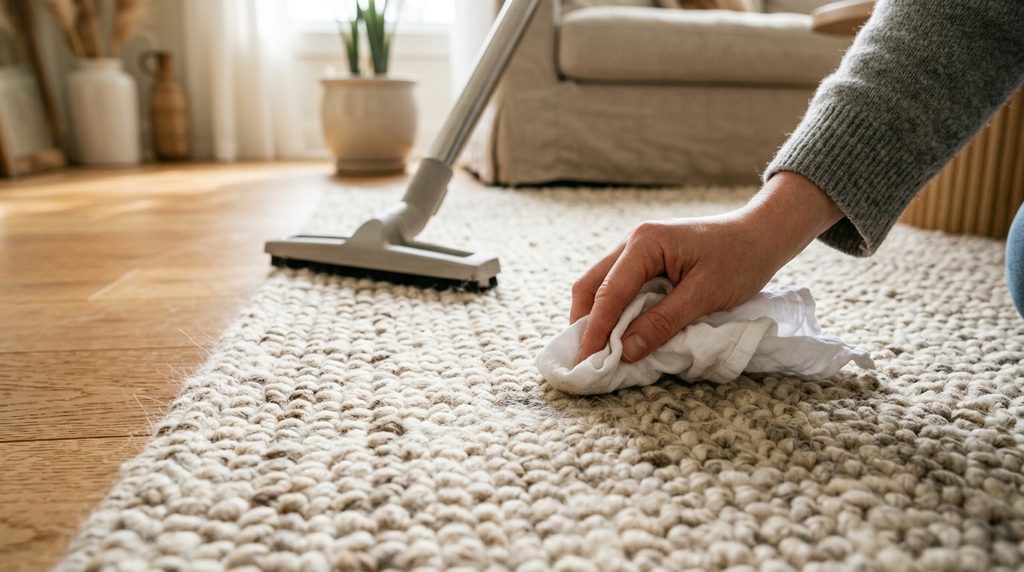
Wool mats do best with gentle, regular care. Vacuum them often, and avoid a hard spinning brush if the maker advises it. Rotate the mat now and then so wear spreads out evenly. New wool mats may shed loose fibers at first. This is common and often eases over time. Keep the mat out of strong direct sun, because sunlight can fade color over the years.
Act fast on spills. Blot with a clean, dry cloth and press from the edge toward the center. Do not rub hard, because rubbing can push the stain deeper and rough up the fibers. Use only cleaners that the maker says are safe for wool, and test them on a hidden corner first. For large stains or an old mat, a professional cleaner may be the safer choice. Check the mat for moth damage now and then, because moths can eat wool fibers.
Common Mistakes and Easy Fixes
One mistake is buying based on photos alone. Colors and texture can look different on a screen. The fix is to order a sample or view the mat in person. Another mistake is skipping the pad. Without one, a mat can slide, and the floor can scratch. A pad also adds cushion and can help the mat last. Many people also choose a size that is too small, so measure first.
Some owners clean with hot water or strong chemicals, which can harm wool. Others leave a damp mat on the floor, and this can cause mold or a musty smell. Dry any wet area well, and use a fan if needed. A final mistake is expecting a mat to stay perfect in a very busy place. Wool is tough, but it still wears. Use mats where they suit the traffic, and accept small signs of use as part of the look.
Frequently Asked Questions
Are wollmatten the same as wool rugs?
Often the word covers both. Some shops use wollmatten for mats of many sizes, from door mats to large rugs. A few also use it for felt pads or other wool products. Check the size, thickness, and material on the product page to be sure.
Do wool mats shed?
New wool mats often shed loose fibers at first. This usually eases with gentle vacuuming over time. If a mat keeps losing heavy amounts of fiber, ask the seller or maker if that is normal for the product.
Are wool mats good for people with allergies?
It depends on the person. Some people react to wool, and any rug can trap dust. Regular cleaning helps. If you have allergies or asthma, talk to your doctor before you choose a mat. You can also test a small sample in your home first.
Can I use a wool mat with underfloor heating?
It depends on the mat and the heating system. A thick mat can trap heat, and some pads are not made for warm floors. Check the guidance from both the mat maker and your heating provider before you lay it down.
How long does a wool mat last?
There is no fixed number. Lifespan depends on quality, foot traffic, sunlight, and care. A dense, well-made mat in a calm room may last longer than a thin mat in a busy hall. Ask the maker what wear to expect.
Are wool mats a sustainable choice?
Wool is a natural fiber that sheep regrow, which many buyers like. But the full impact depends on farming methods, dyes, backing, and transport. Look for clear product details or trusted certifications, and ask the seller where and how the mat was made.
Final Thoughts
Wollmatten bring warmth, texture, and a natural feel to modern rooms. They work best when you match the mat to the room, the traffic, and your care habits. Size, fiber mix, and build quality matter more than a trendy look. A simple plan makes the choice easier and helps you avoid common mistakes.
Your next step is to measure your space and choose one room to start with. Compare a few mats by fiber mix, thickness, and return rules. Ask the seller direct questions, and read the care guidance before you buy. Check official product pages and trusted sources for details that may change.
Disclaimer
This article is for general information only. It was written with AI assistance. Information may change, and the article may not cover every situation. Please check important or current details, such as product materials, care rules, and safety ratings, through official or trusted sources before you rely on them.