

If you just finished caulking a shower, window, or trim, you are probably wondering How long does caulk take to dry before you can use that area again. This is one of the most common questions people have after a small home project, since rushing the process can ruin fresh caulk lines or cause water damage later. Knowing the right drying time helps you avoid mistakes and get a clean, lasting result.
This guide explains how long caulk usually takes to dry, including differences based on caulk type, location, and weather. You will learn what affects drying speed, how long to wait before showering, painting, or sanding, and simple tips to avoid common mistakes. By the end, you will have a clear, practical understanding of caulk drying times for most home projects.
What Affects How Long Caulk Takes to Dry
Several factors affect how quickly caulk dries, which is why there is no single answer that fits every situation. The type of caulk matters a lot, since silicone, acrylic latex, and polyurethane caulks all dry and cure at different speeds. Thickness also plays a role, since a thick bead of caulk takes longer to dry all the way through than a thin, even line.
Temperature and humidity are just as important as the product itself. Warm, dry air usually helps caulk dry faster, while cold or damp conditions slow the process down. Airflow matters too, since a room with little ventilation may trap moisture near the caulk line and extend drying time. Because of these differences, the drying time listed on a product label is only a guide, and real-world conditions in your home can shift that estimate in either direction.
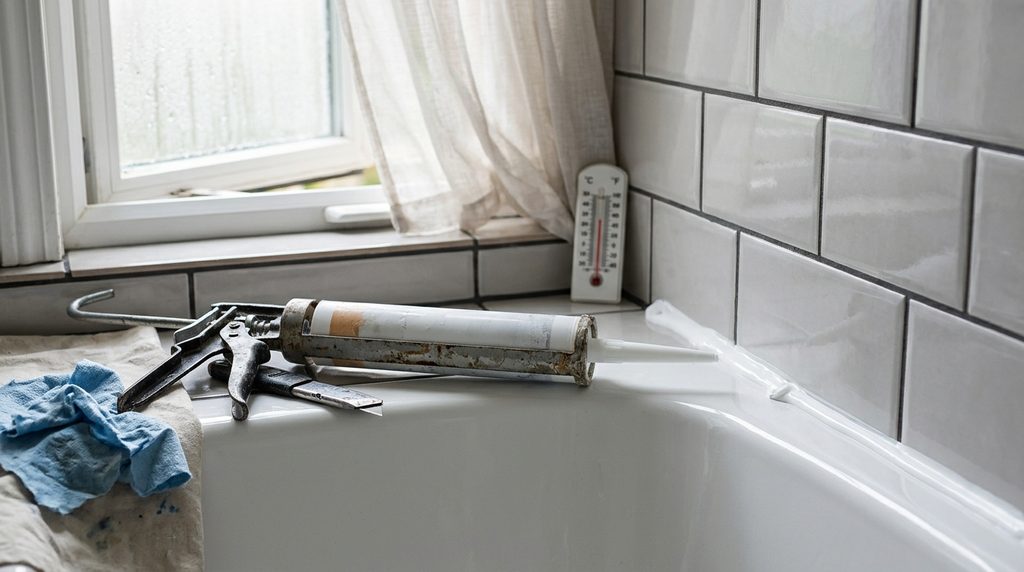
Drying Times for Different Types of Caulk
Silicone caulk is popular for bathrooms and kitchens because it resists water well once fully cured. Many silicone products form a dry surface, often called a skin, within about thirty minutes, but full curing can take around twenty-four hours under normal conditions. Acrylic latex caulk, which is common for trim, gaps, and paintable surfaces, often dries to the touch faster, sometimes within an hour, though full curing may still take a full day depending on the product and environment.
Polyurethane caulk, often used for outdoor or heavy-duty jobs, can take longer to fully cure compared to standard acrylic latex options. Because drying and curing times vary by brand and formula, the packaging on your specific caulk is the most reliable source for exact numbers. If you no longer have the packaging, checking the manufacturer’s website can help you confirm the expected drying and curing time for that exact product before moving forward with your project.
How Long Does Caulk Take to Dry Before Showering
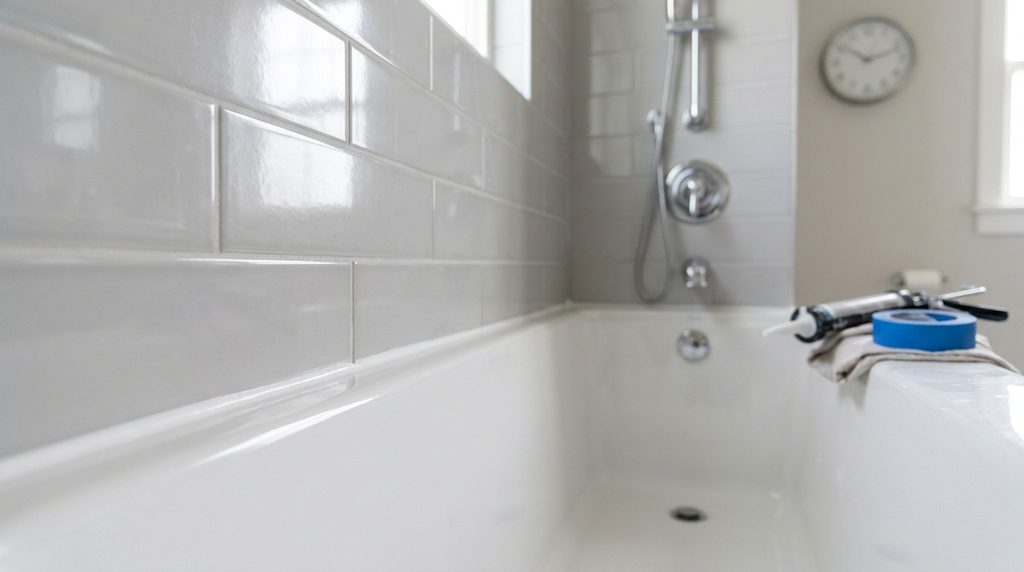
Many people ask how long caulk takes to dry before showering, since using a shower too early can ruin the seal completely. In many cases, manufacturers recommend waiting at least twenty-four hours before exposing fresh caulk to water, whether it is used around a bathtub, inside a shower, or near a toilet base. This waiting period allows the caulk to form a strong enough bond to resist water pressure and daily use.
Some fast-curing silicone products may offer shorter wait times, but this depends entirely on the specific product you are using. Because water exposure too early can weaken or loosen a caulk seal, it is safer to wait the full recommended time rather than guessing based on how the surface looks or feels. If you are caulking in a shower or around a toilet, keeping the area completely dry during this waiting period helps the caulk cure evenly without being disturbed.
How Long Does Caulk Take to Dry Outside
Outdoor caulking jobs often face different challenges than indoor projects, mainly due to changing weather. Many people ask how long caulk takes to dry outside, and the honest answer depends heavily on temperature, humidity, and direct sun exposure. Warm, dry days generally help caulk dry faster, while cold, damp, or rainy conditions can significantly slow down the process and may even affect how well the caulk sets.
Because outdoor caulk is often exposed to rain or moisture soon after application, checking a short-term weather forecast before starting the job is a smart step. Applying caulk right before rain is expected can weaken the seal before it has time to properly cure. If you live somewhere with unpredictable weather, choosing a day with mild temperatures and low humidity gives outdoor caulk the best chance to dry and cure properly.
How Long Does Caulk Take to Dry Before Painting
If you plan to paint over caulk, timing matters just as much as the type of caulk you choose. Acrylic latex caulk is often labeled as paintable, and many products allow painting within thirty minutes to an hour after application. Silicone caulk, on the other hand, is generally not meant to be painted, since paint often fails to stick properly to its surface.
Because paintable timing can vary between brands, checking the specific instructions on your caulk tube is the most reliable way to know how long caulk takes to dry before painting in your situation. Painting too early, even on a paintable product, can cause the caulk line to crack or peel as it continues to cure underneath the paint. Waiting the full recommended time, even if the surface feels dry to the touch, often leads to a smoother and longer-lasting paint finish.
How Long Does Caulk Take to Dry Before Sanding
Caulk is flexible by design, which means it is not always meant to be sanded in the same way as wood filler or spackle. Still, some situations may call for light shaping or smoothing once the caulk has fully cured. In these cases, waiting until the caulk reaches its full cure time, often around twenty-four hours or more depending on the product, helps avoid tearing or smearing the material.
Trying to sand caulk too early, while it is still soft underneath a dry surface skin, often creates a messy result rather than a clean one. If smoothing is needed, lightly wiping the caulk line with a damp finger during application is usually a better method than waiting to sand it later. For most home projects, allowing caulk to fully cure before any sanding attempt leads to a cleaner and more professional-looking finish.

Common Mistakes That Slow Down Drying
One common mistake is applying caulk too thickly, which traps moisture inside and extends drying time far beyond what the label suggests. A thin, even bead almost always dries more evenly than a thick, uneven one, even if the thick line looks more secure at first. Another common issue is applying caulk in a room with poor airflow, such as a closed bathroom with no fan or open window, which can trap humidity near the fresh caulk line.
Another frequent mistake is touching or testing the caulk too soon to see if it has dried. This can leave fingerprints, smudges, or small gaps that weaken the seal. Exposing caulk to water, steam, or heavy use before the recommended time has passed is also a common error that often leads to peeling or cracking later. Avoiding these simple mistakes gives caulk the best chance to dry and cure the way it was designed to.
Simple Tips for Faster, Better Drying
If you want caulk to dry as efficiently as possible, start by applying it in a warm, dry room whenever you can control the conditions. Using a fan or opening a window slightly can help improve airflow without disturbing the caulk line itself. Applying a thin, smooth bead instead of a thick one also helps the material dry more evenly from top to bottom, not just on the surface.
It also helps to plan your project around time, not just convenience. If you are caulking a shower you use daily, consider doing the job before bed or before a day when the space will not be needed for at least twenty-four hours. Thinking of caulk like glue rather than paint can help set the right expectations, since both need full, undisturbed time to properly bond before facing real use.
Frequently Asked Questions
How long does caulk take to dry in a shower if the bathroom is humid?
Humid bathrooms can slow drying time compared to the estimate on the product label. Using a fan or leaving a window open during the drying period can help reduce excess moisture in the air.
Can I speed up caulk drying with a hairdryer or heater?
Using direct heat is not generally recommended, since it can cause uneven drying or affect how the caulk cures. Allowing natural air drying in a warm, ventilated space is a safer approach.
Does caulk dry the same way in cold weather?
Cold temperatures often slow down drying and curing time for most caulk types. If possible, try to caulk during warmer conditions, especially for outdoor projects.
How can I tell if caulk has fully cured, not just dried on the surface?
A dry surface, sometimes called a skin, can form quickly, but full curing takes longer and happens beneath that surface. Following the manufacturer’s recommended full cure time is more reliable than judging by touch alone.
Is silicone caulk or acrylic latex caulk better for bathrooms?
Both types are commonly used in bathrooms, but they serve slightly different purposes based on flexibility, water resistance, and paintability. Checking product labels for intended use can help you choose the right option for your specific project.
What happens if I use the shower before the caulk fully dries?
Using water too early can weaken the seal, cause gaps, or lead to early peeling. If this happens, the caulk line may need to be removed and reapplied once the area is fully dry.
Final Thoughts
Understanding how long caulk takes to dry helps you avoid common problems like peeling, cracking, or weak seals around showers, windows, and trim. While most caulk needs around twenty-four hours to fully cure, exact times depend on the product type, thickness, and the conditions in your home. Checking the instructions on your specific caulk tube remains the most reliable way to know what to expect for your project.
Taking the time to apply caulk correctly, then waiting the full recommended period before showering, painting, or sanding, almost always leads to better long-term results. A little patience after finishing the job can save you from redoing the work later, making it well worth the short wait.
Disclaimer
This article was written with the help of AI and is meant for general information only. Drying and curing times can vary between caulk brands, formulas, and environments. It may not cover every product or situation. Always check the manufacturer’s instructions on your specific caulk product for accurate drying and curing guidance before starting your project.