Babies outgrow clothes and gear fast. A closet full of unused items can feel like wasted money. Many parents ask where to sell baby items so they can clear space and get some cash back. The right place depends on what you have, how fast you need money, and where you live. A few safety rules also apply, and they matter more here than with other used goods.
This guide shows you where to sell baby items for cash, both in person and online. You will learn how resale stores work and how local apps compare. You will also see how to check for recalls, prepare your items, and set a price. We cover common mistakes and ways to stay safe when you meet a buyer. Fees and store rules change, so check each official source for current details.
Where to Sell Baby Items: Your Main Options
You have four main paths. First, you can sell to a kids’ resale store that pays cash on the spot. Second, you can list items on a local marketplace app and meet a buyer. Third, you can use an online resale site that ships items to buyers. Fourth, you can send clothes to a clean-out service that does the work for you. Each path trades time against money in a different way. A short plan saves you time and helps you avoid selling a good item for too little.
Think of it like picking a checkout line. One line is fast but pays less. Another line pays more but takes longer. Resale stores can be quick, but they choose what they buy. Local apps can pay well for bulky items, but you handle messages and meetings. Shipping sites reach more buyers, but you pack and mail each order. Decide what matters most before you start.
Where to Sell Baby Items Near Me
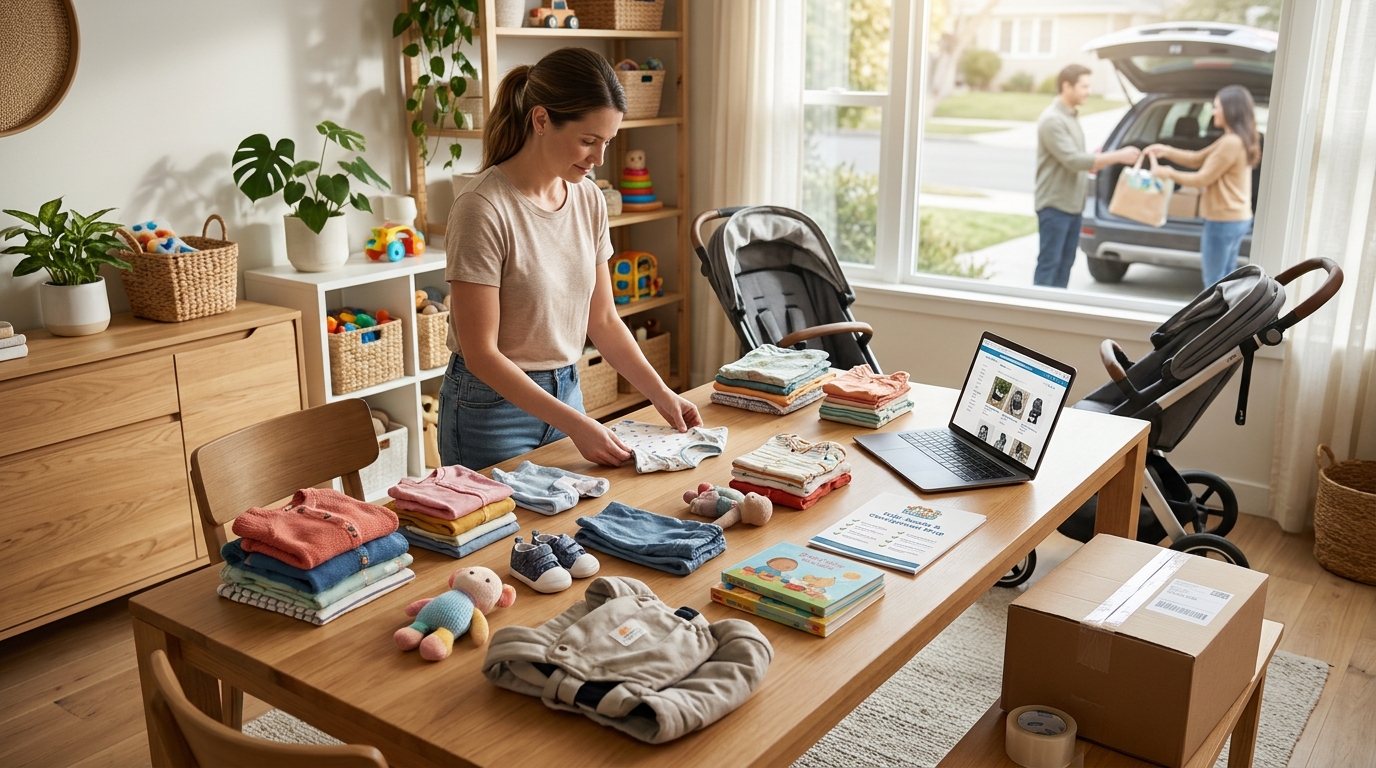
For local sales, start with a search such as “kids resale store near me.” Many cities have children’s resale shops and consignment shops. Some shops pay cash right away. Others share the sale price after your item sells, which can take weeks. Call the shop or check its website for buying rules before you drive over. Rules and hours can differ from one store to the next. A quick call also saves a wasted trip with a heavy bag of clothes.
Local apps work well for big items like strollers, high chairs, and play yards. Current fee guides say Facebook Marketplace has no selling fee for local pickup. Shipped orders through its checkout do carry a fee, and the rate has changed before. Check Meta’s current rate if you plan to ship. Local sales also skip boxes and labels. Many towns host kids’ consignment sales or garage sales a few times a year.
How Kids’ Resale Stores Like Once Upon A Child Work
Once Upon A Child is a chain that buys and sells gently used kids’ clothes, shoes, toys, and baby gear. Its store pages say it is not a consignment store. They say you can bring items without an appointment and get cash on the spot if you accept the offer. Some store pages say a larger offer may come as a check. Rules can differ by location, so check your local store page first.
Stores choose items by style, condition, brand, and current demand. They can pass on an item even if it is new with tags. Some locations ask for photo ID. Store pages ask for items to be clean and packed in a box or basket. Some stores say they do not buy car seats or used helmets. Many stores also offer a trade, where you sell and buy in one visit. Read the store’s list of items it will not buy before you go. Do not take it personally if a store passes on an item, because demand differs from store to store.
Where to Sell Baby Items Online
Online apps reach more buyers than a local post. eBay and Mercari take many kinds of items, and Poshmark focuses on clothing. Fees differ by site and change over time. Some apps charge a flat fee on low-priced items, which can take most of a small sale. eBay says its fees vary by category and include a per-order charge. Compare the fee page of each site before you list. Read each site’s rules on baby items too, because some categories have extra limits.
ThredUp offers a clean-out service for clothing. You send a bag of clothes with a prepaid label, and the company sorts and lists them. Payouts depend on what sells, and the service may pass on items that miss its standards. Some kids’ resale apps have closed in recent years, so old lists online can be out of date. Check that a site is active before you make an account. Selling on two or three sites can help, but track each listing so you do not sell one item twice. Tools for managing several sites exist, but they may cost a monthly fee.
Check Safety and Recalls Before You Sell
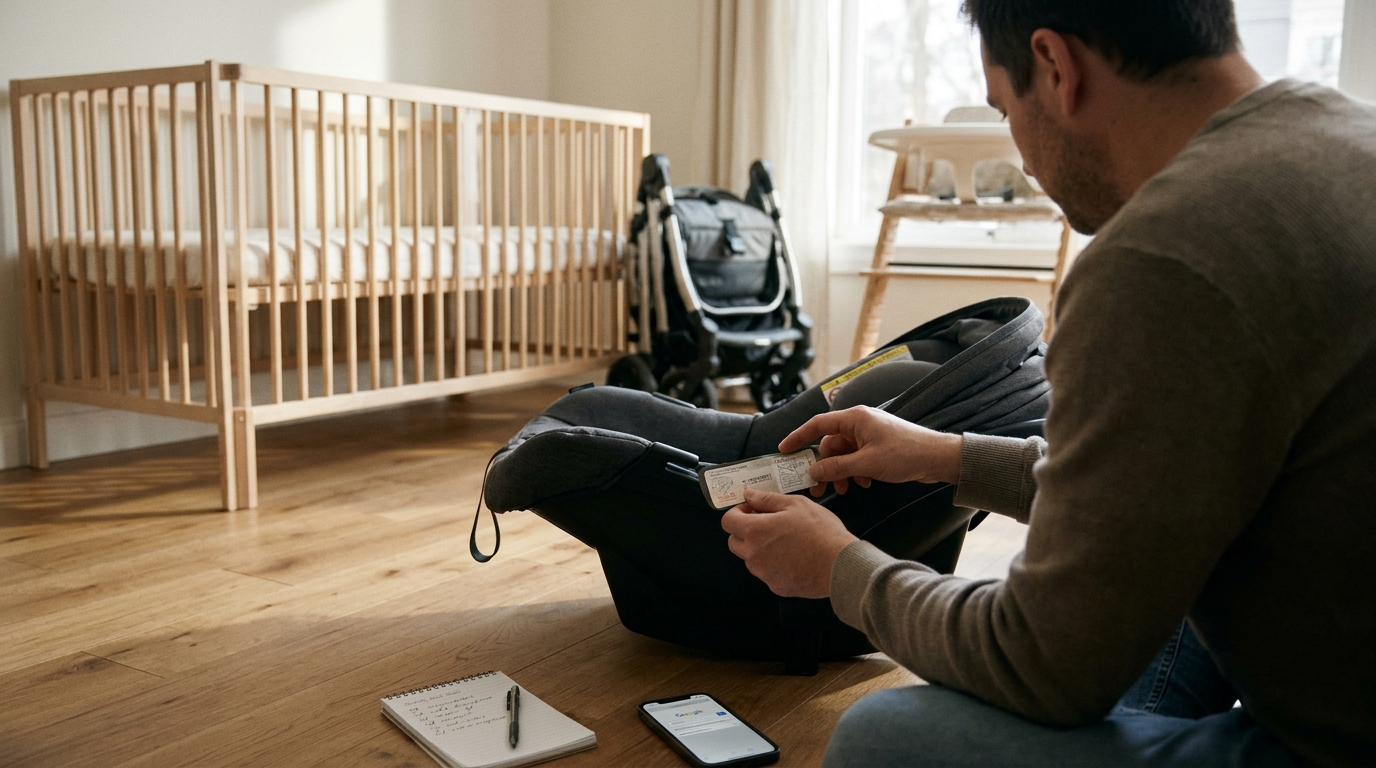
Baby gear needs extra care. In the US, the Consumer Product Safety Commission says resellers cannot knowingly sell recalled products. That includes people who sell on auction sites or give items away. Search the CPSC recall list and SaferProducts.gov before you list a crib, stroller, or high chair. Check the maker’s name and model number on the item. For car seats, use the recall search at NHTSA.gov. Rules in other countries differ, so look up your local safety agency. You can also sign up for CPSC recall emails to hear about new recalls.
Some items are risky to sell even without a recall. Car seats can have a hidden crash history, and they carry an expiry date. Child safety groups advise against selling used car seats, cribs, and helmets when their history is unclear. Kids In Danger also lists crib bumper pads and inclined sleepers as unsafe to buy or sell. If an item is broken, missing parts, or recalled, do not sell it. Follow the maker’s recall steps or recycle it instead. Write down the model number and purchase date before you list, so you can answer questions fast.
Different Items Need Different Places
Clothes sell well in bundles by size. A bag of ten onesies is easier to sell than one onesie. Resale stores, resale apps, and local marketplaces can all take clothing. Coats and boots may sell better in the right season, but timing is a guess, so test it. Toys need a check for recalls and missing parts. Books and puzzles can join a bundle. Check zippers, snaps, and hooks on clothes, since broken ones lower the price.
Bulky gear is different. Strollers, high chairs, and play yards cost a lot to ship. Local sales save you postage and boxes. A quick call can tell you whether a local store takes large gear. Keep original parts and manuals, because missing pieces can lower the price. Items made for one user, such as some breast pumps, may not be right to pass on. Check the maker’s advice first.
How to Prepare and Price Your Baby Items
Wash clothes and wipe down gear before you take photos. Fix small flaws if you can, and be honest about stains or wear. Take clear photos in daylight on a plain background. Show tags, labels, and model numbers. Good light helps buyers see true colors and wear. Put the brand, size, and condition in the title. A clear listing helps buyers trust you and saves time on questions.
To set a price, look at what similar items sold for, not only what sellers ask. Some sites let you filter by sold listings. Start a little above your goal if buyers in your area tend to haggle. Price bundles lower than the sum of each item. A very cheap item may not be worth the fees and the trip, so consider donating it. Lower the price after a week or two if no one replies. Reply to messages fast, because buyers often move on.
Common Mistakes and Staying Safe With Buyers
One mistake is skipping the recall check. Another is ignoring fees until payout day. A ten dollar sale can shrink fast after a flat fee and shipping. A third mistake is calling an item “like new” when it is not. Honest listings lead to fewer disputes. Read your description once more before you post it. Keep a note of what you sold and when, in case a buyer has a question later.
For local meetings, pick a public place with good light. Bring a friend if you can, and tell someone where you are going. Local sales often have no buyer or seller protection, so agree on price and condition before you meet. Be careful with payment messages you cannot confirm in your own account. If a buyer asks you to switch apps or pay with gift cards, say no. Do not share bank passwords or codes with anyone. Trust your gut and leave if a meeting feels wrong.
Frequently Asked Questions
Can I sell a used car seat?
Rules differ by country. In the US, selling a recalled product is not allowed. Many people still choose not to sell car seats because they cannot prove the crash history. If you do sell one, include all parts and the manual. Check the expiry date on the label and tell the buyer the truth about its history.
How much cash can I expect?
No one can promise a number. Used items lose value, and you should not expect the original price. Stores set their own offers. Online prices depend on demand, and fees reduce your payout. Check sold listings for similar items to get a fair idea. A bundle often earns less per item but sells faster.
Should I sell, trade, or donate?
Sell items that are in good shape and worth the effort. Trade for store credit if you plan to buy bigger sizes soon. Donate items that would earn very little. Charities set their own rules, so ask what they accept before you drop off baby gear.
Do I need to pay tax on what I sell?
Tax rules vary by country and by how much you sell. Selling a few used items is different from running a regular business. Check your tax agency’s website or ask a tax professional. Keep records of what you sold and for how much.
How long does it take to get paid?
It depends on where you sell. Some resale stores say they pay the same day if you accept their offer. Consignment-style options pay after your item sells, which can take weeks. Online sales also wait for shipping and buyer confirmation. Ask each store or site about payout time before you start.
What if my item does not sell?
Lower the price, add it to a bundle, or improve your photos. Try another site or a local resale shop. If it still does not sell, donate it if it is safe and in good shape. If it is unsafe or recalled, follow the maker’s steps or recycle it.
Final Thoughts
Knowing where to sell baby items comes down to three questions. How fast do you need cash? How much work can you handle? Is the item safe to pass on? Resale stores suit quick sales. Local apps suit bulky gear. Online sites suit items that buyers search for by name. A little planning saves time and stress.
Your next step is simple. Sort your items into clothes, gear, and toys. Run a recall check on anything with a motor, a latch, or a place to sleep. Pick one option and test it with a small bundle first. Then adjust based on what sells and what you learn about fees.
Disclaimer
This article is for general information. It was written with AI assistance. Information may change, and it may not cover every situation. Please check important or current details through official or trusted sources before you rely on them.