

Finding a lump under your skin can be scary. You might wonder if it is dangerous or painful. Many people look for ways to treat these lumps at home. They want to know how to dissolve a cyst naturally without surgery. Most cysts are harmless sacs filled with fluid or material. They often go away on their own over time. Home care can help speed up this process safely. It can also reduce pain and swelling effectively. Simple remedies may bring comfort to your daily life. These methods support your body’s natural healing ability.
This guide explains safe ways to manage common cysts. You will learn about warm compresses and natural oils. We cover care for cysts on the face and body. The article also discusses internal cysts like ovarian ones. It is vital to know when home care is enough. You must also recognize when a doctor is needed. We explain the limits of natural remedies clearly. This helps you make smart health choices. Read on to understand what works and what does not. You will gain confidence in managing minor skin issues.
Using Warm Compresses for Relief
Warmth is one of the most effective tools. It helps increase blood flow to the area. This brings more immune cells to fight infection. A warm compress can soften the cyst contents. This makes it easier for the body to absorb them. You can use a clean washcloth for this. Soak it in warm water that is not scalding. Wring out the extra water before applying it. Hold the cloth against the cyst for ten minutes. Repeat this process three or four times a day. Consistency is key for seeing results over time.
Heat helps drain cysts that are close to the surface. It encourages the pore to open slightly. This allows trapped material to escape gently. Do not squeeze or pop the cyst yourself. Squeezing can push bacteria deeper into the skin. This may cause a serious infection or scar. Let the warmth do the work for you. Be patient as this method takes days to work. Some cysts may take weeks to shrink fully. Stop if the area becomes very red or hot. These signs suggest an infection needs medical attention. Always keep the area clean during treatment.

Applying Natural Oils and Pastes
Tea tree oil has strong antibacterial properties. It helps kill bacteria on the skin surface. This reduces the risk of the cyst getting infected. Dilute the oil with a carrier oil first. Pure tea tree oil can irritate sensitive skin. Mix a few drops with coconut or olive oil. Apply the mixture to the cyst with a cotton swab. Do this twice a day for best results. Many people find this helps dry out the lump. It also soothes itching and discomfort effectively. Stop using it if you see any rash form.
Castor oil is another popular natural remedy. It contains ricinoleic acid which reduces inflammation. This acid helps break down cyst tissue over time. Massage a small amount into the affected area. Use gentle circular motions for a few minutes. Cover the area with a warm cloth after. This helps the oil penetrate deeper into the skin. Castor oil packs are often used for this. They provide sustained heat and moisture to the spot. This combination supports the healing process well. Remember that results vary from person to person. Some may see changes in a few days. Others may need several weeks of regular use.
Managing Facial and Scalp Cysts
Cysts on the face require extra gentle care. The skin here is thinner and more sensitive. Picking at facial cysts causes permanent scars. Use only mild cleansers to wash your face. Avoid harsh scrubs that irritate the skin barrier. Steam your face to open pores naturally. Lean over a bowl of hot water carefully. Keep your face about six inches away. Stay there for five to ten minutes. This softens any blockages in the pores. Follow up with a warm compress afterward. This dual approach works well for many people.
Scalp cysts can be tricky to treat. Hair gets in the way of applying remedies. Keep the area clean to prevent buildup. Wash your hair regularly with a gentle shampoo. Avoid heavy styling products near the cyst. These products can clog pores further. Apply tea tree oil directly to the scalp. Part your hair to reach the lump easily. Massage it in gently with your fingertips. Wear a shower cap if you use castor oil. This protects your pillowcase from stains. Be careful when brushing your hair nearby. Pulling on the cyst causes pain and irritation.
Care for Body and Breast Lumps
Cysts under the skin on the body are common. They often appear on the back or neck. Friction from clothes can irritate these lumps. Wear loose clothing to reduce rubbing on the area. This prevents the cyst from becoming inflamed. Apply warm compresses as described earlier. Keep the area dry and clean always. Sweat can trap bacteria in the pore. Shower after exercise to wash away sweat. Use an antibacterial soap if recommended by a doctor. Monitor the size of the lump closely. Note any changes in color or texture.
Breast lumps should always be checked by a doctor. Many breast cysts are benign and harmless. However, you need a professional diagnosis first. Do not try to drain breast cysts at home. This can lead to serious complications. Warm compresses may help relieve pain. They do not dissolve the cyst itself though. Supportive bras reduce pressure on the tissue. Avoid caffeine if it increases your tenderness. Some women find relief with evening primrose oil. Talk to your healthcare provider before trying supplements. They can advise on safe options for you. Never ignore a new lump in the breast.
Understanding Internal Ovarian and Uterine Cysts
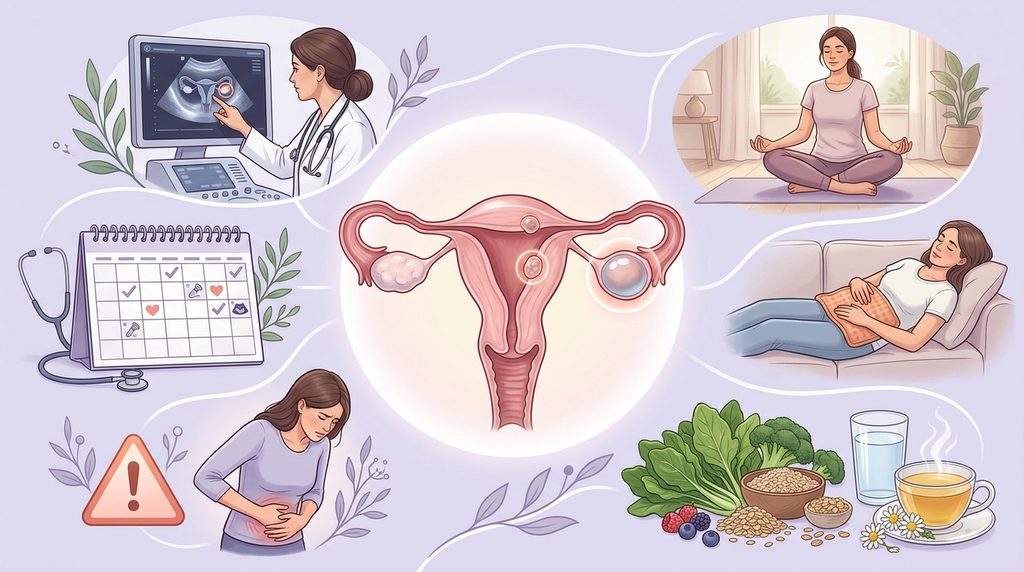
Internal cysts differ from skin cysts completely. You cannot apply topical remedies to them. Ovarian cysts often resolve on their own. Doctors usually recommend watchful waiting. This means monitoring them with ultrasounds. Pain management is the main goal at home. Over the counter pain relievers help with cramps. Heat pads on the lower abdomen soothe pain. Rest is important during flare ups. Avoid strenuous exercise if it causes discomfort. Listen to your body and slow down when needed.
Diet changes may support hormonal balance. Some studies suggest reducing sugar intake helps. High insulin levels can affect ovary function. Eat more fiber rich foods like vegetables. Fiber helps remove excess hormones from the body. Stay hydrated with plenty of water daily. Herbal teas like chamomile may reduce stress. Stress impacts hormone levels negatively. Yoga and meditation support overall wellness. These practices do not dissolve cysts directly. They create a healthier environment for your body. Always follow your doctor’s monitoring schedule. Report sudden severe pain immediately to emergency services.
Recognizing When to Seek Medical Help
Home remedies have clear limits and risks. Infection is the biggest concern with self care. Signs of infection include increasing redness. The area may feel hot to the touch. Pus or foul smelling discharge is a warning. Fever indicates the infection is spreading. Seek medical care if you have these symptoms. A doctor may need to prescribe antibiotics. They might drain the cyst in a sterile setting. This prevents further complications and scarring. Do not wait too long if things worsen.
Some cysts grow large or become painful. Large cysts may press on nearby nerves. This causes chronic pain or numbness. Cosmetic concerns are also valid reasons for removal. A dermatologist can remove them safely. They use local anesthesia to numb the area. The entire sac is removed to prevent return. Home remedies cannot remove the cyst sac. Only the fluid inside may drain temporarily. The cyst often refills if the sac remains. Surgical removal is the only permanent fix. Discuss your options with a qualified professional. They will help you choose the best path.
Frequently Asked Questions
Can I pop a cyst with a needle at home?
You should never pop a cyst with a needle at home. This introduces bacteria from the air and skin. It leads to high risk of serious infection. You might also damage surrounding healthy tissue. Scarring is much more likely with DIY drainage. Professional doctors use sterile tools and techniques. They know how to remove the entire sac. Attempting this yourself leaves the sac behind. The cyst will likely fill up again later. It is safer to let a professional handle it.
How long does it take for a cyst to go away?
The timeline varies greatly for each person. Small cysts may disappear in a few weeks. Larger ones can take several months to shrink. Consistent home care speeds up the process. Warm compresses work gradually over time. Some cysts never fully go away without removal. They may stay small and painless for years. Monitor the size weekly to track progress. If it grows larger, see a doctor soon. Patience is essential when using natural methods. Do not expect overnight results from home remedies.
Are there foods that help shrink cysts?
No specific food directly dissolves cysts instantly. However, a healthy diet supports body function. Anti inflammatory foods may reduce general swelling. Eat more fruits, vegetables, and whole grains. Reduce processed sugars and fried foods. These changes improve your immune system response. A strong immune system fights minor infections better. Stay hydrated to help flush toxins from your body. Some people report less pain with dietary changes. Scientific evidence for direct cyst shrinking is limited. Focus on overall health rather than magic foods.
Can stress cause cysts to grow larger?
Stress affects your hormone levels significantly. Hormonal imbalances can trigger cyst formation. This is especially true for ovarian and acne cysts. High stress weakens your immune system too. This makes it harder for your body to heal. Managing stress supports your overall health goals. Practice relaxation techniques like deep breathing. Get enough sleep each night for recovery. Exercise helps reduce stress hormones naturally. While stress does not directly fill a cyst, it hinders healing. Reducing stress creates better conditions for recovery.
Is apple cider vinegar effective for cysts?
Apple cider vinegar is a popular home remedy. Its acidity may help dry out some skin cysts. People often apply it with a cotton ball. It can cause burning or irritation on skin. Always dilute it with water before use. There is limited scientific proof it dissolves cysts. It may help with surface bacteria control. Do not use it on open wounds or broken skin. Test it on a small patch first. Stop if you experience severe stinging or redness. It is not a guaranteed solution for everyone.
What is the difference between a cyst and a boil?
A cyst is a closed sac under the skin. It fills with fluid, air, or other material. Boils are infected hair follicles filled with pus. Boils are usually painful and red quickly. Cysts are often painless unless infected. Boils tend to come to a head faster. Cysts develop slowly over weeks or months. Treatment for boils often involves drainage. Cysts may need surgical removal of the sac. Both can look similar to the untrained eye. A doctor can distinguish between them accurately. Proper diagnosis ensures the right treatment plan.
Final Thoughts
Managing cysts at home requires patience and care. Warm compresses and natural oils offer relief. They support your body’s natural healing processes. These methods work best for small, uncomplicated lumps. Consistency is vital for seeing any improvement. Keep the area clean to prevent infection. Avoid picking or squeezing the cyst ever. This simple rule prevents many serious problems. Understand that home care has its limits. It manages symptoms but may not cure the issue.
Know when to seek professional medical advice. Persistent pain or growth needs evaluation. Internal cysts require different care than skin ones. Listen to your body and respect its signals. Do not rely solely on internet advice for diagnosis. Use this guide as a starting point for care. Combine home remedies with healthy lifestyle habits. Eat well and manage stress for better health. Your well being is worth the extra attention. Make informed decisions about your treatment options.
Disclaimer
This article provides general information for educational purposes only. It was written with AI assistance to summarize common practices. It is not a substitute for professional medical advice. Always consult a qualified healthcare provider for diagnosis. Information may change as new research emerges. This guide does not cover every medical situation. Individual results vary based on health conditions. Check with your doctor before trying new remedies. Do not delay seeking care for serious symptoms.