

An anagram solver helps you turn mixed letters into real words. It is useful when a word puzzle feels difficult or you cannot see the right answer. You enter the letters you have, and the solver checks possible matches for you. If you searched for an anagram solver – find all possible words, you likely want a quick and simple way to see what your letters can make. A good solver can also help you notice useful shorter words that are easy to miss.
This guide explains how anagram solvers work and how to use them in the right way. You will learn the difference between full anagrams and shorter word matches. You will also see why different dictionaries can give different results. The guide covers wildcards, filters, repeated letters, and common mistakes. It also explains how to narrow a long list of results so you can find the most useful answer without wasting time.
What an Anagram Solver Does
An anagram is made by changing the order of letters to form another word. The letters stay the same, but their position changes. For example, the letters in “listen” can form “silent.” An anagram solver does this work for you by checking many letter combinations against a stored word list. It then shows the words that match the letters you entered. Some tools only show full anagrams, while others also include shorter words.
This difference matters when you want to find all possible words. The word “all” depends on the dictionary used by the solver. One tool may include game words that another tool does not show. Some word lists also include rare words, regional spellings, or unusual forms. Many modern word finders let you filter results by word length, first letter, last letter, or other known letters. Some also support blank tiles by using wildcard symbols.
How to Use an Anagram Solver to Find All Possible Words
Start by entering the letters exactly as you have them. Do not add any letters that are not part of the puzzle. If one letter appears more than once, enter it each time. This matters because the solver counts every letter separately. For example, the word “letter” contains two T letters and two E letters. A correct search should not use an extra T or E unless the tool allows wildcards or extra letters.
After entering the letters, choose the type of result you need. If you want one word that uses every letter, use a full-anagram option if the tool has one. If shorter words are also useful, choose a general word finder or partial-match option. If the result list is long, sort it by word length. You can also filter words by their first or last letter when part of the answer is already known.
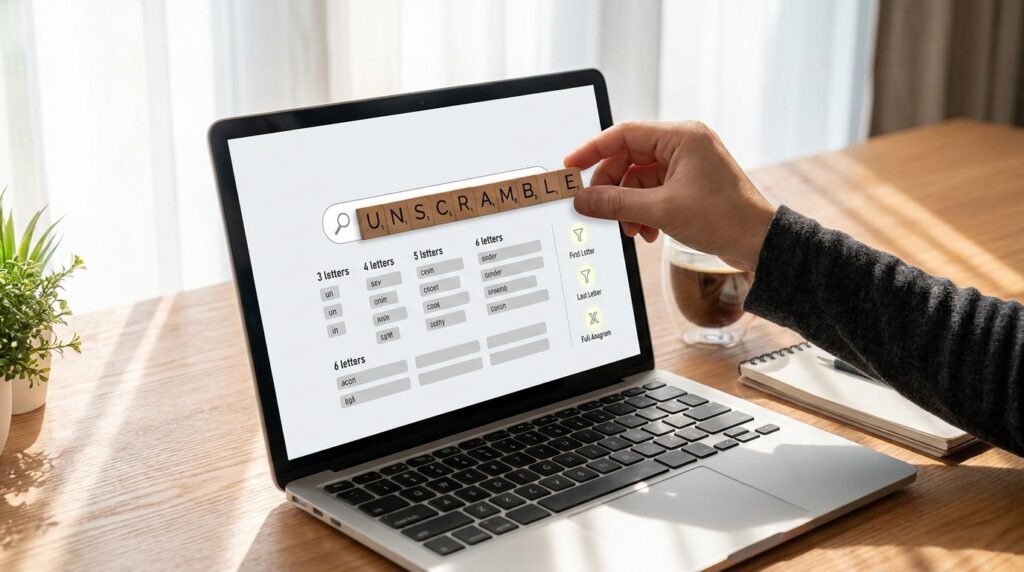
Full Anagrams, Partial Words, and Wildcards
A full anagram uses every letter you entered, with no letters left over. For example, if you enter “race,” words such as “care” and “acre” use all four letters. A partial match uses only some of the letters. With the same letters, words such as “car,” “arc,” and “are” are shorter matches. Both types of results can be useful, but they solve different kinds of puzzles.
Wildcards are useful when one letter is unknown. Many word tools use a question mark to represent a missing or blank letter. The solver then tests different letters in that position. This can help in word games that use blank tiles or puzzles where one letter is missing. Wildcards can create many extra results, so use them only when you really have an unknown letter. This keeps the search easier to manage.
Why Dictionary Choice Changes Your Results
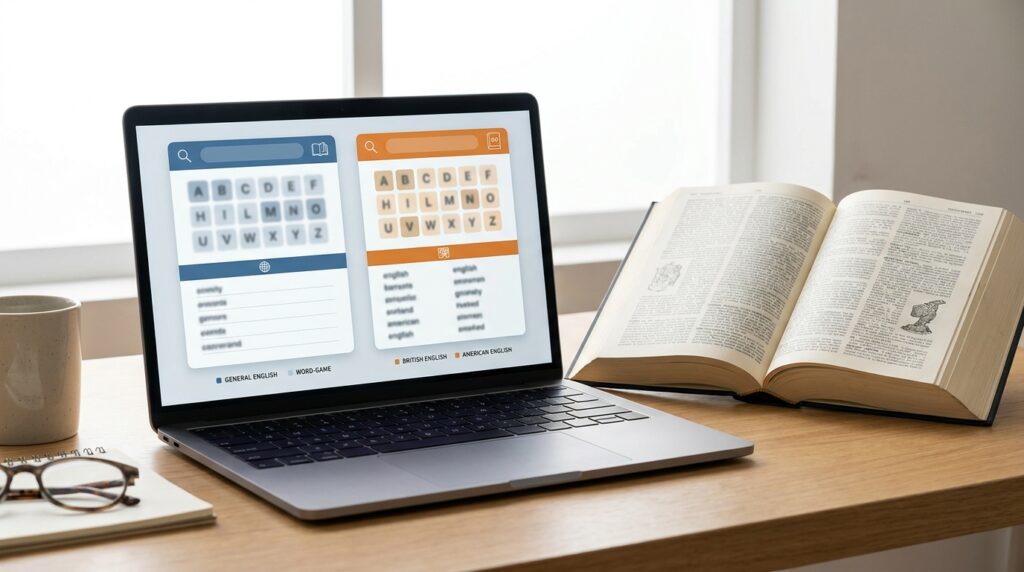
An anagram solver does not search every word ever written. It normally checks one chosen dictionary or word list. That list decides which words can appear in the results. A general English dictionary may leave out some game words or uncommon forms. A word-game dictionary may include short or unusual words that are not common in everyday writing. This is why two different solvers can give different results from the same letters.
The best dictionary also depends on what you are doing. If you are playing a word game, use the word list that matches that game’s rules. If you are solving a normal puzzle, a broad English dictionary may be more useful. Regional spelling can also matter because some tools use American English while others use British or international word lists. If an important word looks unusual, check it in a trusted dictionary before using it.
How to Narrow a Long List of Possible Words
A large set of letters can create many possible results, so filters can save a lot of time. Start with the clue if the puzzle gives you one. A clue may tell you the word length, first letter, final letter, or general topic. Use that information before reading the full list. For example, if the answer must be six letters long, you can ignore shorter words and focus only on six-letter matches.
Sorting the results can also make the search easier. For normal anagram puzzles, word length is usually the most useful starting point. In word games, you may care more about letter values or scoring rules. Some solvers can sort words by score, but that depends on the game and the tool. The main goal is to remove results that clearly do not fit. This helps you focus on words that match the clue or game situation.
When an Anagram Solver Is Most Useful
Anagram tools are useful for many types of word puzzles. They can help with letter jumbles, word games, classroom activities, and vocabulary practice. They are also useful when you know several letters but cannot see the right pattern. Instead of trying every letter order by hand, you can use the solver to create a list of possible answers. You can then compare those words with the clue and choose the one that fits best.
Anagram solvers can also be used as learning tools. Rather than taking the first answer and moving on, you can study unfamiliar words in the result list. Check their meanings and see how they are used in real sentences. You can also try solving the puzzle yourself before using the tool. After that, compare your answer with the full list. This can help improve spelling, vocabulary, and your ability to notice common letter patterns.
Common Mistakes and Easy Fixes
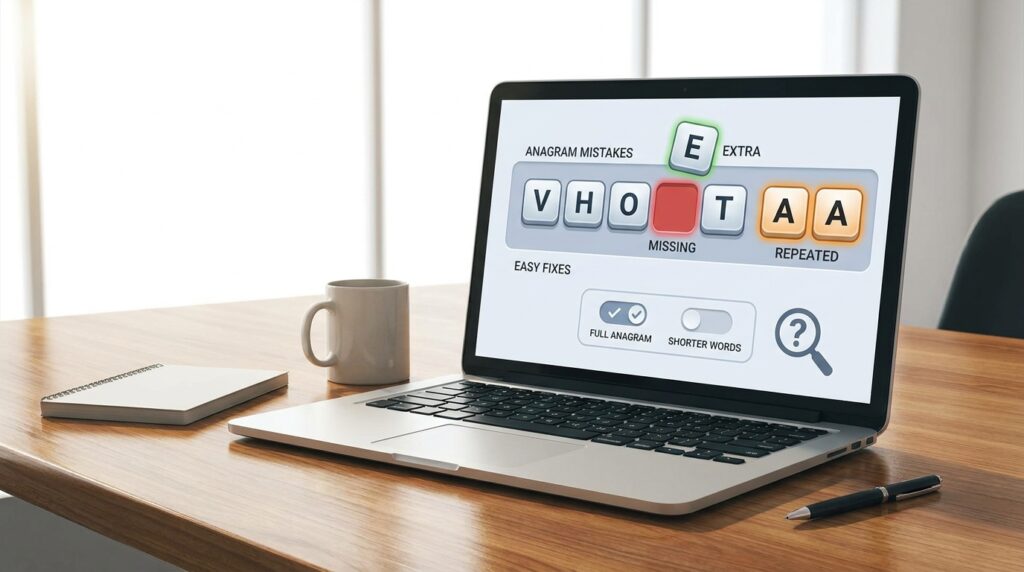
One of the most common mistakes is entering the wrong letters. A missing letter can remove the correct answer, while an extra letter can produce a completely different list. Repeated letters can also cause problems. If your puzzle has two S letters, you need to enter both of them. It is also a good idea to remove unnecessary spaces or punctuation if the tool does not handle them well.
Another common mistake is using the wrong search type. A full-anagram search may show no result when the puzzle actually allows shorter words. A broad word finder may create too many results when every letter must be used. If no useful answer appears, check the letters first, then check the search settings. You can also try a different word length or dictionary. Use wildcards only when a letter is really unknown, as they can make the result list much larger.
Frequently Asked Questions
Can an anagram solver find every English word?
Not always. The results depend on the dictionary or word list used by the solver. Different lists may include different rare words, regional spellings, names, or game terms.
Does an anagram have to use every letter?
A full anagram normally uses every letter once. However, many online tools also show shorter words made from only part of the letter set.
Can I use an anagram solver for names?
Some tools include names and proper nouns, but many standard dictionaries do not. You may need a special name or phrase solver for that type of puzzle.
Can an anagram solver find two-word phrases?
Some solvers can create multi-word anagrams from one group of letters. A basic single-word solver may not support this, so check the tool options first.
Why do some results look strange or unfamiliar?
Word-game dictionaries often include rare, old, regional, or less common words. These words may be valid in the chosen word list even if you do not see them often.
Is using an anagram solver cheating?
That depends on the situation. It is fine for practice, learning, and casual puzzles. In a live contest or competitive game, outside tools may not be allowed, so check the rules first.
Final Thoughts
An anagram solver can make difficult letter puzzles much easier to manage. The best results come from entering the correct letters and choosing the right search type. Decide whether you need a full anagram or shorter word matches. Then use filters such as word length or known letters when the result list is too long. If one letter is unknown, a wildcard can help you test more possibilities.
The phrase anagram solver – find all possible words sounds simple, but the result depends on the word list behind the tool. No solver can show words that are not included in its dictionary. For that reason, use a solver that matches your puzzle, language, or game rules. If a word matters for scoring or competition, confirm it with the correct official or trusted word list before using it.
Disclaimer: This article is for general information and was written with AI assistance. Word lists, tools, and game rules may change over time, and this guide may not cover every situation. Check important or current details through official or trusted sources before relying on them.