

Many teenagers dream of the day they can drive a car. It represents freedom and independence for young people. Parents often worry about safety and legal rules. You might ask what age can you drive in uk. The answer depends on the type of vehicle. Different rules apply to cars, mopeds, and tractors. Knowing these limits helps you plan ahead safely. It also prevents legal trouble for new drivers.
This guide explains the current driving age laws clearly. We cover cars, motorcycles, and other vehicles. You will learn when you can get a license. We explain the provisional license process step by step. Supervised practice is a key part of learning. We also discuss medical conditions that affect driving. Read on to find simple answers for your situation. This information helps teens and parents stay compliant.
The Standard Age for Driving Cars
The minimum age to drive a car is 17. You must hold a valid provisional license first. This license allows you to learn under supervision. You cannot drive alone until you pass your test. The law is strict about this age limit. Police can stop you if you look too young. They will check your documents immediately. Driving without a license leads to heavy fines.
You can apply for your provisional license earlier. The earliest you can apply is age 15 years and 9 months. However, you cannot start driving until you are 17. There is one exception for certain benefits. If you receive the enhanced rate of PIP, you can drive at 16. PIP stands for Personal Independence Payment. This rule helps people with mobility issues gain independence. Most other teens must wait until their seventeenth birthday.
Rules for Motorcycles and Mopeds
Motorcycles have different age categories than cars. You can ride a moped at age 16. A moped has an engine size up to 50cc. You must complete compulsory basic training first. This training teaches you basic road safety skills. It is mandatory before you ride on public roads. You must display L plates on your moped. You cannot carry passengers on a learner moped.
At age 17, you can ride larger motorcycles. You can take tests for different power levels. The A1 license allows bikes up to 125cc. The A2 license covers medium-powered motorcycles. You must be 19 for the A2 license usually. Full unrestricted access comes at age 24. Or you can get it after two years on A2. These steps ensure riders gain experience gradually. Safety is the main goal of these stages.
Understanding Provisional License Requirements
A provisional license is your first legal step. It proves you are allowed to learn driving. You need it before booking any lessons. Apply online through the official government website. You will need proof of identity and address. The application fee is paid by card. Your license arrives in the post within weeks. Keep it safe as you will need it often.
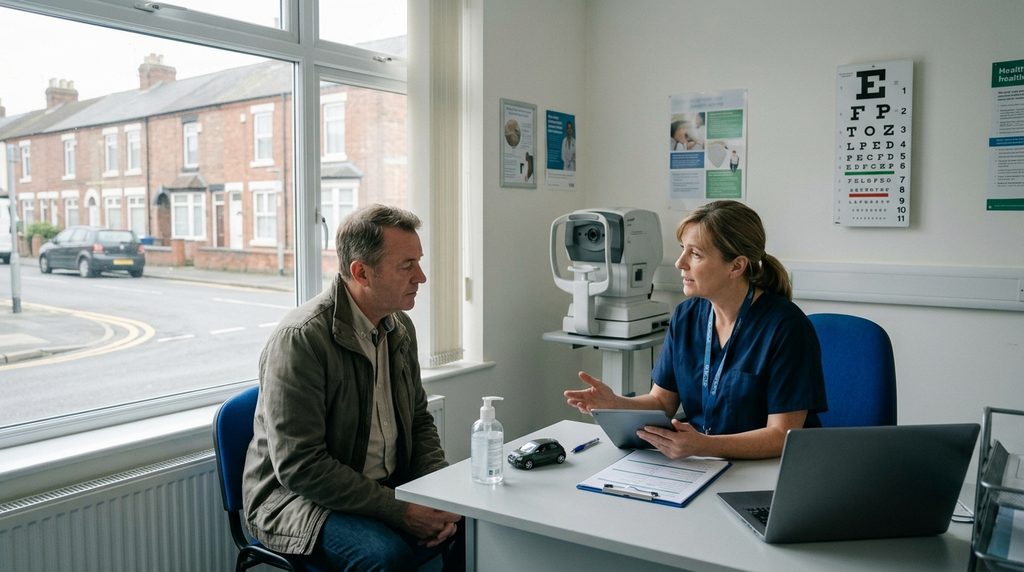
You must meet eyesight standards to drive. You need to read a number plate from 20 meters. This applies to modern style number plates. If you wear glasses, you must wear them while driving. Your optician can check your vision regularly. Poor eyesight is a common reason for test failure. It is also dangerous for other road users. Ensure your vision is correct before starting lessons.
Supervised Learning and Private Practice
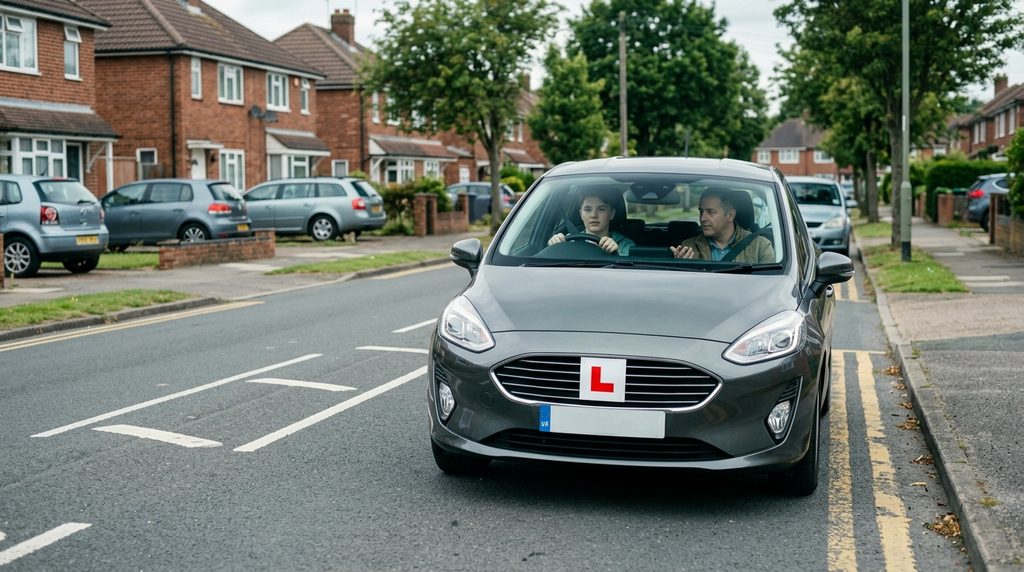
You can only drive with a qualified supervisor. This person must be over 21 years old. They must have held a full license for three years. They sit in the front passenger seat next to you. Their role is to guide and correct mistakes. They do not need to be a professional instructor. But professional lessons are highly recommended for safety. They provide structured learning and expert feedback.
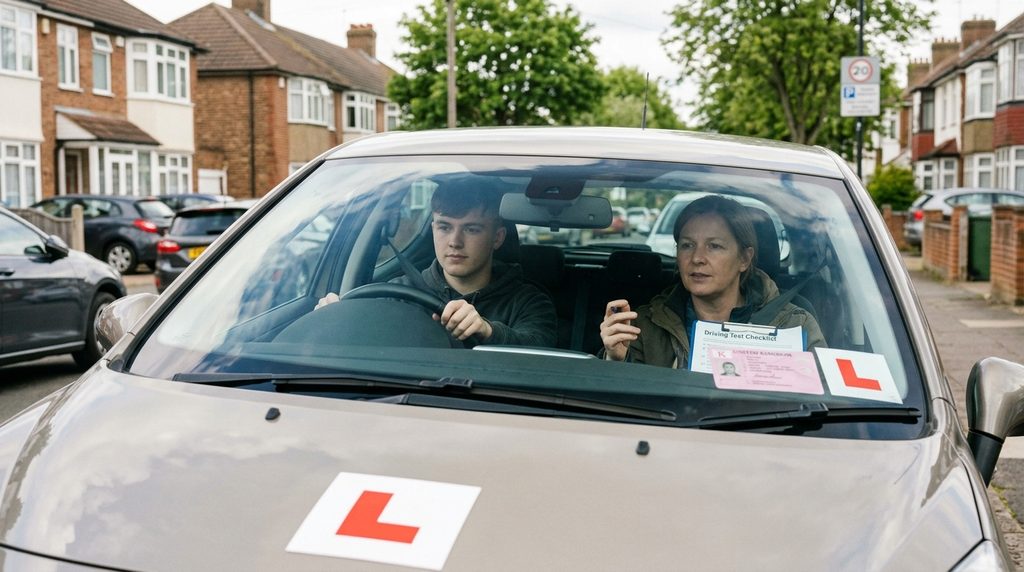
You must display red L plates on your car. These plates must be visible from the front and back. They warn other drivers that you are learning. Some drivers may give you extra space on the road. You cannot drive on motorways with L plates. This rule changed recently to allow some motorway practice. But you must be with an approved instructor. Private supervisors still cannot take you on motorways. Always follow these display rules strictly.
Passing the Theory and Practical Tests
You must pass two tests to get a full license. First is the theory test multiple choice section. It covers road signs and hazard perception. You study using official books and apps. Book your test at a local center early. Slots fill up quickly during holiday periods. Pass this test before booking your practical exam. The theory certificate lasts for two years only.
The practical test assesses your real driving skills. An examiner sits in the car with you. You will drive for about 40 minutes on roads. They check your control and observation skills. You must perform safe maneuvers like parking. Independent driving is part of the test too. This means following signs or a sat nav. Pass both parts to receive your full license. You can then drive alone without supervision.
Medical Conditions and Driving Eligibility
Some medical conditions affect your ability to drive. You must tell the DVLA about certain issues. Epilepsy and diabetes are common examples. Heart conditions may also require reporting. The DVLA will assess your case individually. They may issue a short-term license. This requires regular medical reviews and checks. Ignoring this duty is a criminal offense.
Vision problems must be declared if severe. Color blindness does not usually stop you driving. But night blindness might affect your eligibility. Mental health conditions can also impact driving. Severe anxiety or depression may need review. Your doctor can advise you on this matter. Being honest ensures safety for everyone on the road. The DVLA provides clear guidance on their website.
Frequently Asked Questions
Can I drive at 16 if I am not disabled?
No, the general minimum age for cars is 17. The exception at 16 applies only to specific benefit recipients. You must receive the enhanced rate of PIP. This is for those with significant mobility challenges. Standard teenagers must wait until their seventeenth birthday. There are no other exceptions for standard car driving. Plan your lessons around this seventeenth birthday date.
Do I need insurance to practice with my parents?
Yes, you must be insured to drive legally. Learner drivers need their own insurance policy. Or they can be added to a parent’s policy. Check the terms carefully for any restrictions. Some policies charge higher premiums for young learners. Compare quotes to find the best deal. Driving without insurance leads to severe penalties. It is not worth the risk at all.
How long does a provisional license last?
A provisional license is valid for ten years. It expires when you turn 70 years old. You must renew it if you have not passed. There is no limit on how long you can hold it. But you should aim to pass within two years. Your theory test certificate expires after two years. You must retake the theory if you delay too long. Keep your license details up to date always.
Can I drive abroad with a UK provisional license?
Generally, no, you cannot drive abroad alone. A provisional license is not valid internationally. You need a full UK driving license for most countries. Some countries may accept it with an International Driving Permit. But this is rare for learner permit holders. Check the specific rules of the country you visit. Always carry your full license when traveling overseas. It avoids legal issues with local police authorities.
What happens if I fail my driving test?
You can book another test almost immediately. There is no penalty for failing the first time. Many people do not pass on their first attempt. Use the feedback from the examiner to improve. Practice the specific areas where you lost marks. Book your next test when you feel ready. Do not rush back into the test center. Confidence and skill come with more practice time.
Is there an upper age limit for driving?
There is no maximum age for holding a license. You can drive as long as you are medically fit. However, you must renew your license at 70. After that, you renew every three years. You must declare any health changes honestly. The DVLA may request medical assessments. Older drivers often take refresher courses voluntarily. This helps maintain safety and confidence on the road.
Final Thoughts
Knowing the legal driving age is crucial for safety. It helps you plan your learning journey effectively. Start with your provisional license application early. Practice consistently with a qualified supervisor. Focus on building good habits from the start. Pass your theory and practical tests with confidence. Remember that rules exist to protect everyone on the road.
Stay informed about any changes in the law. Check official sources for the latest updates. Medical fitness is just as important as skill. Declare any health issues to the DVLA promptly. Driving is a privilege that comes with responsibility. Respect the road and other users always. Enjoy the freedom that driving brings to your life.
Disclaimer
This article is for general information purposes only. It was written with AI assistance to provide clarity. Driving laws and medical rules change frequently. This content may not cover every specific situation. Readers should check the official gov.uk website for current details. Always verify your personal eligibility before driving any vehicle.