
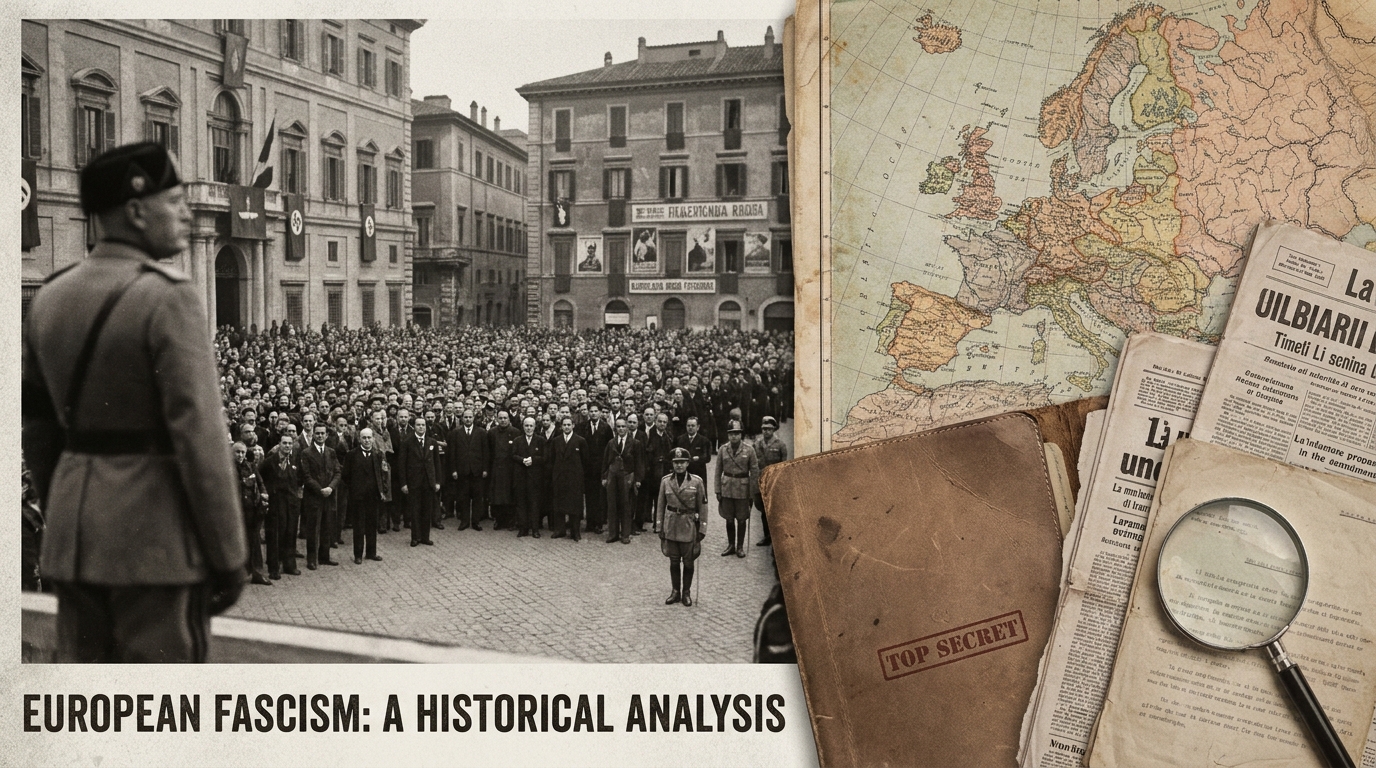
Fascisterne is a Danish and Norwegian word. It means “the fascists.” People search for it when they read about the past, hear it in the news, or see it used as an insult. The word has a clear history, but it is often used loosely today. That makes it easy to mix up facts, opinions, and angry words. A calm, plain look at the history can help.
This guide explains where the word comes from and how the first fascist movement began in Italy. You will learn the main features that historians often describe. You will also see how fascism differs from Nazism, how fascist regimes ended, and why the word is argued about today. At the end, you will find simple tips for checking your sources.
What “Fascisterne” Really Means
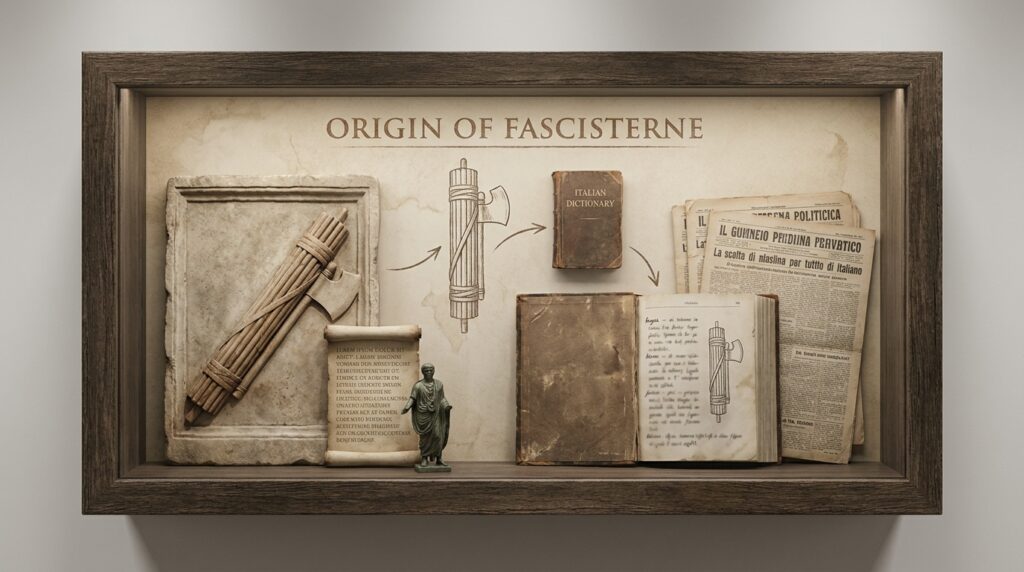
The word comes from the Italian word “fascio,” which means a bundle or a group. It links to the ancient Roman fasces, a bundle of rods tied around an axe. In Rome, the fasces showed the power of certain officials. In the early 1900s, some Italian political groups also used “fascio” for a union or a band of members. Later, one movement made the word its main name.
In Danish, “fascisterne” is simply the plural form with the definite ending. It can mean the members of a fascist movement. It can also mean fascists as a group in a history lesson. People sometimes use it as an insult for anyone they dislike. That use is not a real definition. For a clear discussion, it helps to ask which movement, which period, and which country the writer means.
Where Fascism Began in Italy
Benito Mussolini founded the Fasci Italiani di Combattimento in Milan in 1919. Italy had just come out of World War I. Many people were unhappy about jobs, prices, and the peace deal. Fascist groups used street violence against their enemies, especially socialists and trade unions. Members often wore black shirts, so people called them blackshirts. The movement later became the National Fascist Party.
In October 1922, fascists held a mass event called the March on Rome. King Victor Emmanuel III then asked Mussolini to lead the government. At first, Italy still had other parties and a parliament. Over the next few years, Mussolini took more control. By the mid-1920s, laws had removed rival parties and limited the press. This is why historians often see Italy as the first fascist state.
Common Features Historians Describe
Scholars do not all agree on one short definition. Still, they often point to a set of shared features. These include extreme nationalism and a strong leader who is treated as a hero. Many fascist movements wanted one party in control and little room for open debate. They also attacked democracy, free speech, and groups they saw as enemies. Violence, from street gangs or from the state, was often part of the story.
Propaganda also played a large role. Fascist regimes used posters, parades, school lessons, and radio to spread their message. They told people that the nation came before the person. Think of a team where the coach says only the team matters and punishes anyone who disagrees. That picture is simple, but it shows the idea. Real history is more complex, and each country had its own details. No single list fits every case.

Fascism and Nazism: Same or Different?
Many people use the two words as if they mean the same thing. They are linked, but historians treat them as different movements. Nazism took power in Germany, where Adolf Hitler became chancellor in January 1933. Some scholars see Nazism as a German form of fascism. Others stress that it had its own ideas and its own goals. Both views appear in serious books.
The biggest difference is the role of race. In Nazi Germany, racist ideas were at the center of state policy. The Nazi regime carried out the Holocaust, in which about six million Jews were murdered. Italian fascism also used violence and harsh rules, and it passed racial laws in the late 1930s. But historians usually point to Nazi racism as more central and more extreme. When you read, look at how a writer uses each word.
How Fascist Regimes Ended
Italy and Germany joined forces before World War II. Italy invaded Ethiopia in 1935, and it entered the larger war in June 1940. Denmark was occupied by Germany on 9 April 1940, and it stayed under occupation until the war ended in 1945. Many people in occupied countries took part in resistance or helped others to hide. Some local groups also supported the occupiers, which is part of the history too.
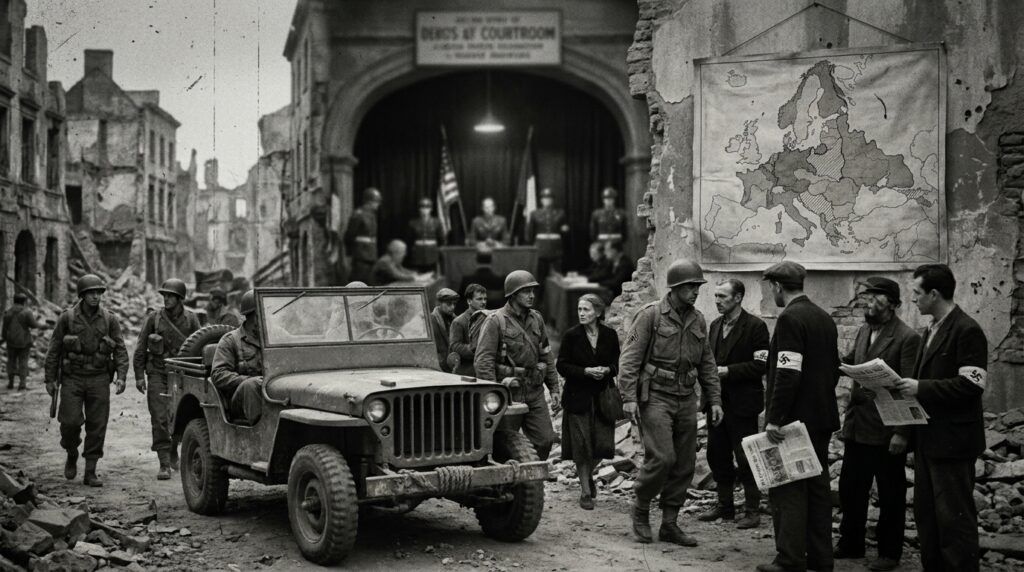
The Allies invaded Italy in 1943, and Mussolini lost power that summer. He was killed in April 1945. Germany surrendered in May 1945. After the war, many countries passed laws or held trials about wartime crimes. Rules about fascist symbols and speech differ widely from one country to another. If you want to know the rules in your own country, check an official government source.
Why the Word Is Argued About Today
Today, people use “fascist” in news, social media, and politics. Sometimes the label is used for groups that copy the style or ideas of the past. Sometimes it is used as a loud insult with no link to history. Experts often disagree about when the word fits. Some say it should stay with the movements of the early 1900s. Others use it more broadly for modern groups with similar traits.
Spain under Francisco Franco shows how hard it can be. Some historians call his rule fascist, and others prefer words like authoritarian or dictatorship. Neither side is wrong just for asking the question. A useful habit is to ask what the person means, and to look for facts about actions and laws. Compare sources from different views. Check museums, universities, and well-known history books rather than viral posts.
Frequently Asked Questions
What does “fascisterne” mean in English?
It means “the fascists.” The word is Danish or Norwegian. It usually refers to followers of a fascist movement, but writers also use it more loosely.
Who invented fascism?
Benito Mussolini founded the first fascist movement in Italy in 1919. The ideas drew on earlier nationalist and political thinking. Many writers and activists helped shape it, so it did not come from one person alone.
Is Nazism the same as fascism?
Not exactly. Many historians see them as related, and some call Nazism a form of fascism. Others stress key differences, especially the central role of race in Nazi policy.
Were there fascist groups in Denmark?
Yes. Denmark had small groups influenced by fascism and Nazism in the 1930s and during the occupation. Their size and role differ from the stories in larger countries. Danish museums and archives are good places to read more.
Why do people call modern groups fascists?
Some see similar traits, such as extreme nationalism, attacks on opponents, and strong leader worship. Others think the word is stretched too far. Because the word is argued about, look at the facts in each case rather than the label alone.
How can I study this topic without spreading false claims?
Use books by trained historians, university sites, and museum pages. Check dates and names in more than one source. Be careful with quotes and images on social media, because many are edited or taken out of context.
Final Thoughts
Fascisterne are best understood through history, not slogans. The movement began in Italy after World War I and grew through violence, propaganda, and one-party rule. It ended in Europe with the defeat of Italy and Germany in World War II. The word still carries heavy meaning, so it helps to use it with care.
Your next step is to read from reliable sources. Start with a museum site or a book by a historian. Then compare how different experts define the word. This habit helps you spot false claims and see why people disagree. A clear view of the past also helps you judge new claims in the news.
Disclaimer
This article is for general information only and was written with AI assistance. Historical details, laws, and expert views can change or differ, and this guide may not cover every situation. Please check important or current details through museums, universities, official sources, or other trusted references before you rely on them.